Safety testers say a simple switch beats a touchscreen menu when you are driving.
Remember when you could turn on the wipers without looking? Many drivers miss that. Over the past decade, carmakers moved more and more controls onto the central touchscreen, and drivers have been complaining about it ever since. On October 12, 2026, Euro NCAP, the independent group that crash tests new cars and awards star ratings, announced test results that favor physical buttons in cars.
Its latest results back up what it has said for some time: physical buttons for basic functions are safer. Under its 2026 testing protocols, five essential controls should work with a direct physical input and not hide inside a menu. They are the turn signals, the windshield wipers and washer, the hazard lights, the horn, and the emergency call button.
Three cars, two approaches
The newest round of tests put three vehicles side by side.
The Audi Q7 earned five stars and a 90% score for driving controls. It got a perfect 100% for essential driving tasks and 80% for comfort and entertainment features. Testers praised its stalks and buttons for being easy to see, easy to reach, and easy to use by feel, which keeps a driver’s eyes on the road. This matters because Audi’s parent company, Volkswagen Group, had been criticized for dropping buttons and switches.
The Kia EV2 also scored well on its driving controls and earned five stars.
The XPENG X9, a large family van, took a different path. It leans on its central touchscreen for core functions and scored only 20% for primary driving controls. It still earned five stars overall thanks to strong crash avoidance and post-crash safety. Its speed assistance system fell short on conditional speed limits, such as wet-weather limits and truck-specific limits.
A pattern across the 2026 tests
Among the cars Euro NCAP has tested this year, European brands generally did better on physical controls. The BMW iX3 scored 100%, and the CUPRA Raval and Geely E2 each scored 80%. At the other end, the Zeekr 7GT and AION UT scored 20%, and the Leapmotor B05 scored 0%.
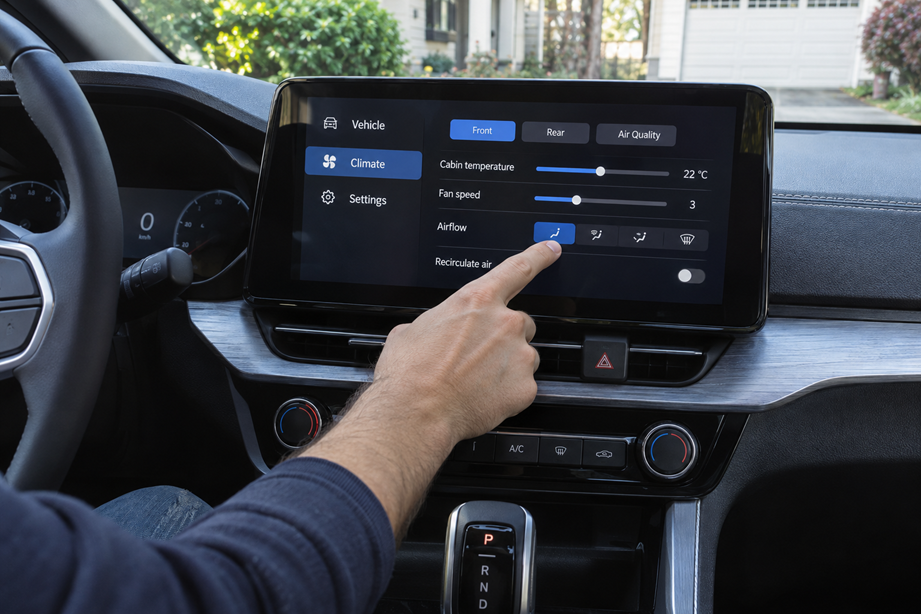
Euro NCAP says the new protocols reward cars that put basic controls in easy-to-reach, well-placed buttons. It also says drivers have complained that touchscreen menus are fiddly, and its research shows they can distract a driver more than buttons do. Dr. Aled Williams, Euro NCAP’s program director, praised Audi and Kia for taking a common-sense approach and urged other makers to follow.
What to look for in your next car
Safety ratings are a good start, but a test drive tells you plenty too. Before you buy, try these in the parking lot:
- Turn on the hazard lights without looking down.
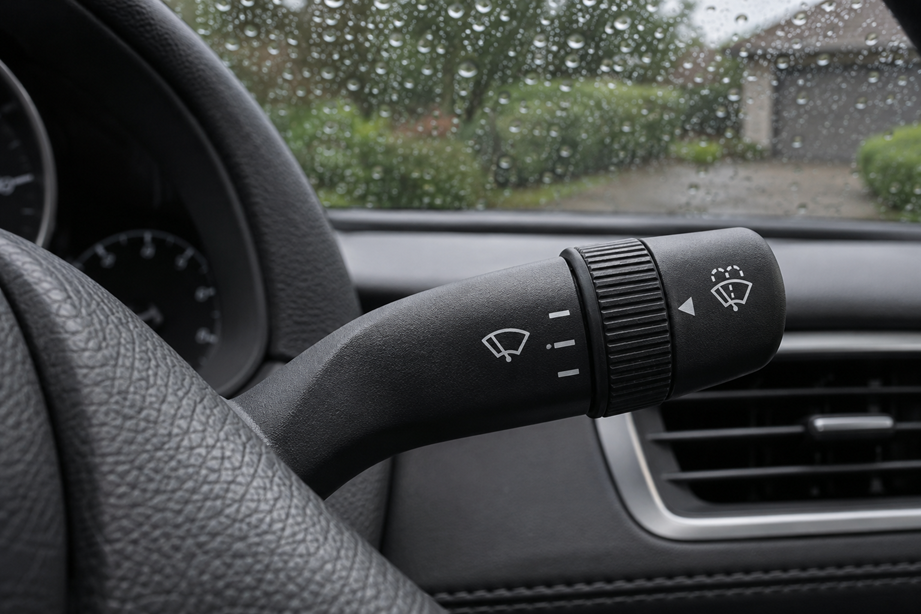
- Run the wipers and washer, then change the speed.
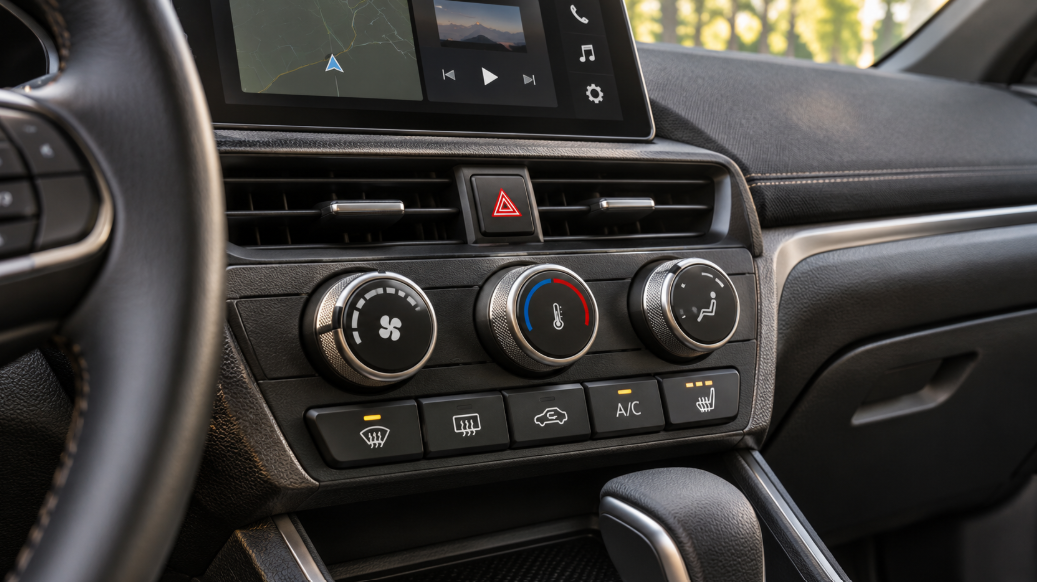
- Adjust the temperature and defrost. Ask yourself how many taps it takes.
- Find the horn in the dark by feel alone.
If a task takes more than a glance, imagine doing it at highway speed in the rain.
The takeaway
New technology can make cars safer, and several of these cars prove it. Their lane-keeping systems adjust to how alert the driver is. But the tests also show that a good old-fashioned button still earns its place.
Source: Euro NCAP press release, “Buttons are back for basic functions, Euro NCAP confirms in testing,” October 12, 2026.