

Electric vehicles (EVs) are everywhere—from neighborhood driveways to social media debates. But for many families, the question isn’t whether EVs are trendy. It’s whether they actually make sense for everyday life.
To find out, we asked real EV owners to share what they love, what frustrates them, and what they wish they’d known before buying. Their experiences paint a realistic picture—one with clear benefits, real drawbacks, and a few surprises along the way.
What EV Owners Love
Quiet, Low-Maintenance Driving
Kate Wexell is a writer and former Tesla Model 3 owner who purchased her vehicle while living in California.
“It was quiet, efficient, well-made, and required very little maintenance,” she says.
She also appreciated some of the unexpected tech perks. “I was glad that I could play Stardew Valley on the console.”
With fewer moving parts than gas-powered cars, EVs typically need less routine service—something busy families often appreciate.
Fewer Trips to the Gas Station
For Nate Runkel, a Pennsylvania-based media professional who has owned a 2016 Ford C-Max Energi plug-in hybrid for five years, fewer gas stops are the biggest advantage.
“What I love most about owning an EV is how infrequently I have to put gas in my car,” Runkel says.
“Unless I’m making a long-distance trip, I’m very rarely using the gas engine.”
Convenience and Everyday Safety
Ginny Scales Medeiros has owned electric vehicles since 2007 and is a contributing author of What Is the Electric Car. For her, the biggest advantages come down to everyday convenience and safety.
“I charge at home overnight, and my car is ready every morning—no dark gas stations, or bad weather,” she says.
For parents and caregivers juggling tight schedules, home charging can be a meaningful quality-of-life improvement.
The Downsides EV Owners Don’t Always Expect
Charging Can Be Complicated—and Costly
“If I had a place to charge it at home, it would have been cheap,” Wexell says. “Unfortunately, superchargers cost almost as much as fuel itself.”
Public charging availability also varies widely by location.
“What surprises me most is how many charge stations there are in my area,” Runkel notes. “But not every area is as lucky.”
A Hidden Issue: The Fine Print Most Buyers Don’t Read
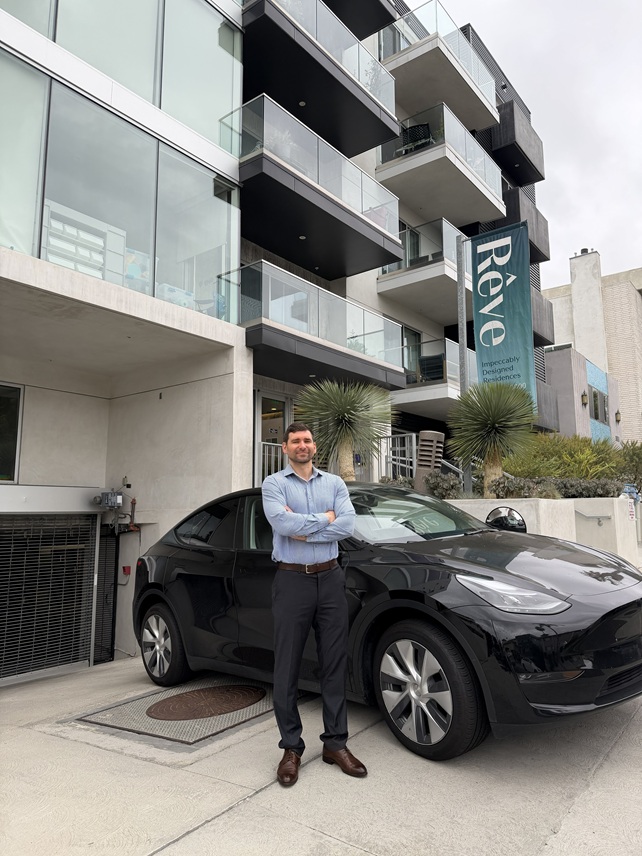
Michael Ouziel is the owner of a Tesla Model Y and the founder of MMO Law, a California Lemon Law firm. His practice focuses on helping vehicle owners hold manufacturers accountable when their cars fail during the warranty period. Through years of representing clients with defective vehicles, he has seen how overlooked contract terms can limit consumer rights.
“Certain manufacturers include arbitration provisions that limit a consumer’s ability to bring disputes to court,” Ouziel explains.
“Many of these contracts include a provision allowing buyers to opt out—but the deadline is often short and easy to miss.”

What This Means for Families
For families making one of their largest purchases outside of a home, the takeaway is simple: buying an EV isn’t just about range and charging—it’s also about understanding the fine print. Taking time to review warranty terms and dispute clauses upfront can make a significant difference if problems arise later.
So, Are EVs Worth It?
EVs offer quieter rides, fewer maintenance headaches, and potential savings at the pump. But they also require planning—especially around charging access, travel needs, and contracts.
“My PHEV has exceeded any and all expectations I had for it,” Runkel says. “There’s no doubt my next car will be a full EV.”
The bottom line? An electric vehicle can be a great choice—but the best decision is an informed one.