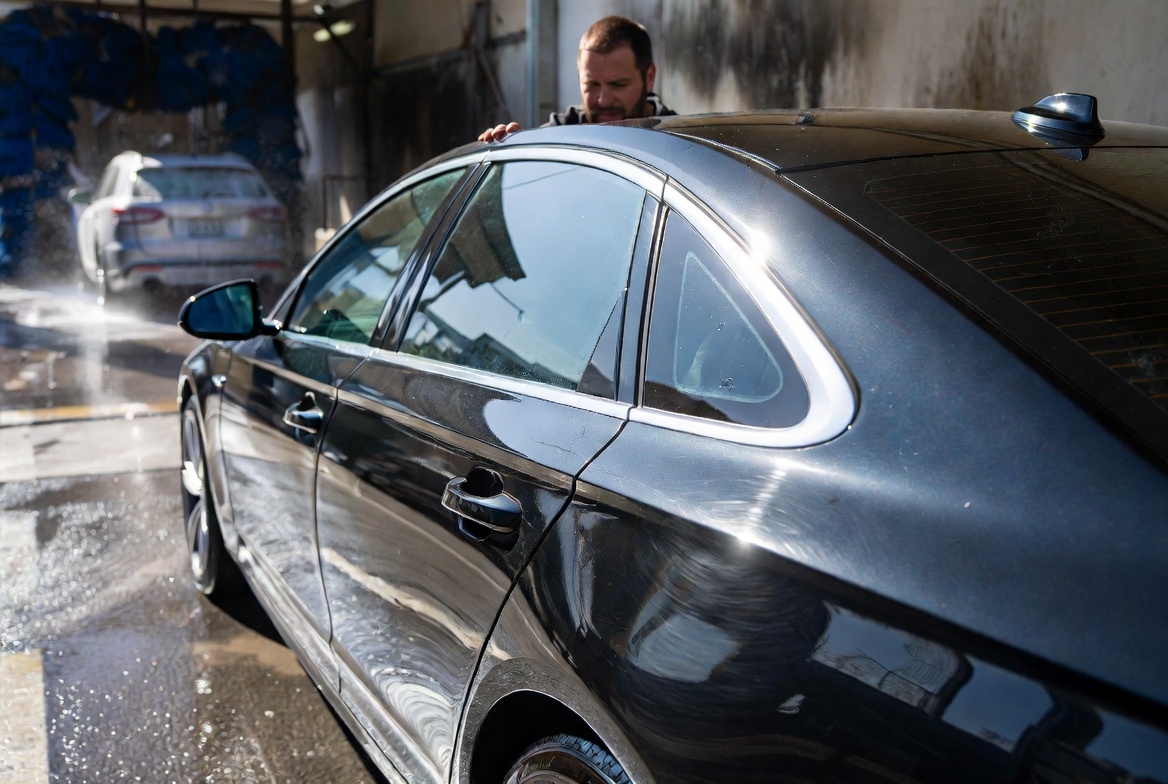
That quick trip through the automated car wash feels like a win: ten minutes, no scrubbing, no appointment, and you drive away with a shiny car. But a viral video from a professional detailer is making drivers second-guess that convenience, arguing that repeated automated washes slowly wear down a car’s finish — and its resale value — without owners ever noticing until the damage is done.
The detailer’s argument centers on something real: swirl marks. These are the faint circular scratches you notice when the sun hits your hood just right, and they’re caused by dirt and grit getting dragged across the paint during washing or drying. Dark cars show them fastest; lighter colors hide them longer, but they’re there too.
Where the debate gets murkier is how much blame belongs to the car wash itself. Older automated washes with hard brushes can definitely cause this kind of damage. But most car washes today have moved to soft-cloth systems or touchless washes that use water pressure and detergent instead of physical contact — a meaningfully gentler process. Industry advocates also point out that swirl marks can come from plenty of other sources: sloppy hand washing at home, dealership prep work, road grime, and everyday driving all take a toll too.
So is the viral warning fair? Partly. The core physics is accurate — abrasive particles dragged across paint do cause micro-scratches over time. But painting every automated wash as a slow-motion disaster ignores how much the technology has improved, and how much responsibility rests with the driver’s own habits.
A Few Tips to Keep Your Paint Looking Sharp
- Know your wash type. Soft-cloth and touchless washes are far gentler than old-school brush systems. If you’re not sure which kind your local wash uses, it’s worth asking.
- Skip the dirty mitt. If you wash at home, use a clean microfiber mitt and rinse it often. A gritty towel is one of the fastest ways to create the exact scratches you’re trying to avoid.
- Rinse before you scrub. A quick pre-rinse loosens loose dirt and dust so you’re not grinding it into the paint the moment you start washing.
- Dry with care. Air-drying or wiping with an old cotton towel can leave the same kind of marks as a bad wash. A soft microfiber drying towel makes a real difference.
- Save the deep detail for cars that need it. If you’re driving a daily commuter, a standard soft-cloth wash is probably fine. If you’ve got a collector car, a luxury vehicle, or fresh paint, hand washing and occasional professional detailing is worth the extra effort.
At the end of the day, your car’s paint job holds up based on the small habits — not one big decision. A little extra care goes a long way toward keeping that showroom shine.